
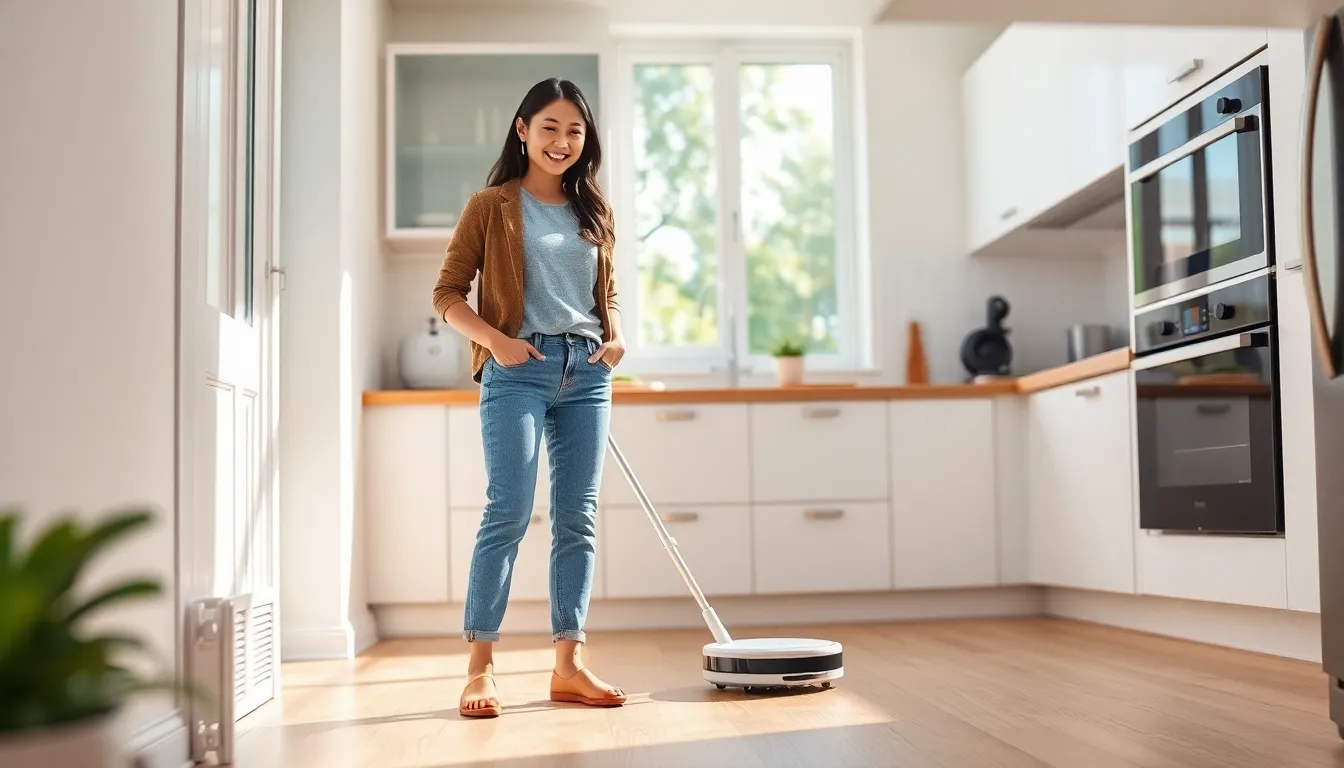
Imagine waking up to a world where your coffee brews itself, your laundry folds neatly, and your vacuum cleaner has a personality. Sounds like a scene straight out of a sci-fi movie, right? Well, welcome to the age of robots for everyday use, where these mechanical marvels are no longer confined to factories or futuristic films. They’re here to make life easier, one chore at a time.
From smart assistants that keep your schedule in check to kitchen gadgets that whip up gourmet meals, robots are transforming mundane tasks into delightful experiences. With a dash of humor and a sprinkle of efficiency, these machines are ready to take on the dirty work while you kick back and binge-watch your favorite shows. So why not let robots handle the heavy lifting? After all, who wouldn’t want a little extra time for leisure and laughter?
Overview of Robots for Everyday Use
Robots have become essential companions in everyday tasks, revolutionizing how individuals manage their households. Smart home devices, for instance, enhance convenience through voice control and automation. Numerous gadgets, such as robotic vacuums, efficiently clean floors while users focus on other activities.
Kitchens also benefit from robotics. Automated cooking machines streamline meal preparation, reducing time spent on cooking. Coffee makers that brew on command ensure fresh coffee is ready each morning, enhancing morning routines.
In the realm of personal assistance, robots excel as smart speakers and home hubs. These devices manage schedules, control smart appliances, and provide information, creating a more organized lifestyle. Many individuals find that such automation allows them to dedicate time to other pursuits.
Healthcare applications emerge as another critical area for robots. Companion robots assist the elderly and disabled, promoting independence while providing companionship. Tracking devices maintain health metrics, alerting caregivers to potential issues.
Entertainment integration adds another layer of functionality. Robots designed for interaction and gaming provide unique experiences, making leisure time more enjoyable. Families increasingly engage with educational robots, fostering learning through play.
Overall, robots are transforming everyday tasks, making life more efficient and enjoyable. Embracing these advancements helps individuals optimize their time and enhance their overall quality of life.
Types of Robots for Everyday Life
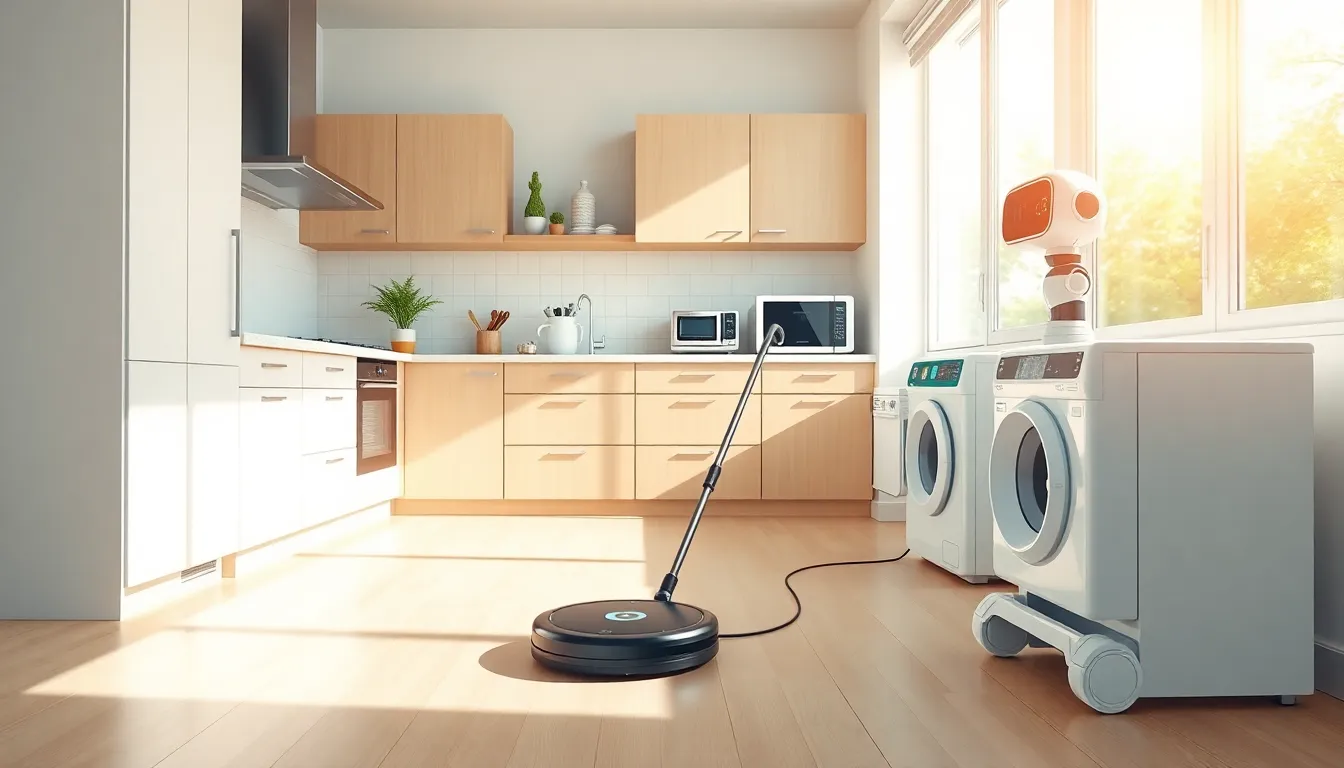
Robots increasingly shape daily routines in various ways, enhancing convenience and efficiency. They come in different types, including household robots and service robots, which contribute to improved living standards.
Household Robots
Household robots focus on simplifying chores and improving home management. Robotic vacuums clean floors autonomously, allowing users to concentrate on other tasks. Smart kitchen appliances, like automated cooking machines, assist in meal preparation, making cooking quicker and easier. Laundry-folding robots reduce the time spent on folding clothes, while smart home devices control lighting and temperature with minimal effort.
Elderly-friendly robots assist with common household tasks, promoting independence. These innovations change how people interact with their living spaces, making homes more efficient and enjoyable.
Service Robots
Service robots cater to a variety of sectors, enhancing service delivery and user experiences. In restaurants, robotic waiters deliver food directly to guests, improving efficiency and accuracy. Healthcare facilities use robots for patient monitoring, medication delivery, and even surgery assistance, which enhances safety and precision.
Retail environments benefit from robots that manage inventory and assist customers. These automated systems streamline operations, allowing employees to focus on more complex tasks. Overall, service robots transform industries by increasing productivity and elevating service standards.
Benefits of Using Robots in Daily Activities
Robots significantly enhance daily activities, providing numerous advantages across various tasks. They not only streamline processes but also contribute to an improved lifestyle.
Increased Efficiency
Robots boost efficiency in households. Tasks such as vacuuming and cooking can be completed in a fraction of the time when automated. Robotic vacuums navigate efficiently, cleaning spaces while owners focus on other responsibilities. Automated cooking machines prepare meals consistently, eliminating guesswork and ensuring quality. Scheduling tasks through smart assistants alleviates time spent on mundane chores, allowing more time for leisure. By integrating these devices, households experience a smoother workflow that encourages productivity.
Improved Quality of Life
Quality of life enhances through the use of robots in everyday activities. Companionship robots provide social interaction for the elderly, reducing feelings of loneliness. Smart home devices improve accessibility, making it easier for everyone to manage daily routines. Furthermore, health-monitoring gadgets offer peace of mind, tracking vital statistics and alerting caregivers when necessary. By managing tasks and promoting independence, robots enable users to engage more meaningfully with their environment and loved ones. Embracing technology in daily life leads to the overall enhancement of personal well-being.
Challenges and Limitations
Robots for everyday use face several challenges and limitations that affect their adoption and practicality.
Cost Considerations
High costs remain a significant barrier for many potential users. Advanced robots can range from hundreds to thousands of dollars, limiting accessibility. Budget constraints often lead consumers to choose simpler solutions or forgo robotic aids altogether. Maintenance expenses add to the overall financial responsibility. Robotics may require regular updates and repairs that increase long-term costs. This financial hurdle can deter many households from incorporating robots into their daily routines.
Technological Barriers
Technology continues to evolve, yet robots still encounter various technological barriers. Compatibility issues arise when integrating robots with existing smart home systems. An inability to communicate effectively with other devices reduces functionality and ease of use. User interfaces may also lack intuitiveness, hindering user interaction. Limitations in artificial intelligence affect how well robots can understand and respond to human commands. As a result, reliance on human intervention often remains necessary, complicating efficiencies expected from automation.
Future Trends in Robotics
Anticipated advancements in robotics focus on enhancing daily life. Innovations in artificial intelligence and automation significantly influence these trends.
Advancements in AI and Automation
Machine learning algorithms improve robot capabilities, enabling smarter interactions in everyday tasks. These technologies provide enhanced decision-making, allowing robots to adapt to user preferences and environmental changes. Natural language processing advancements facilitate smoother communication between humans and robots. Efficiency boosts occur in repetitive tasks, letting robots tackle activities such as cooking and cleaning with precision. Intelligent robots are set to recognize faces and emotions, fostering better companionship. Continuous improvements in AI and automation promise a future with increasingly intuitive robots, making everyday tasks more manageable.
Integration with Smart Homes
Smart home systems are becoming a hub for robotic integration. Enhanced compatibility between robots and existing smart devices facilitates seamless operations. Users enjoy streamlined management through voice-activated assistants that connect multiple devices, creating a cohesive environment. Automation expands, allowing robots to interact with smart thermostats and lighting systems, optimizing energy consumption. The inclusion of advanced sensors enables robots to gather data from their surroundings, enhancing functionality. As smart homes evolve, the integration of robotics will transform living spaces, offering personalized experiences tailored to individual user needs.
Everyday robots are reshaping how people live and interact with their environments. By automating routine tasks and enhancing convenience they free up valuable time for leisure and personal pursuits. The integration of smart technology in homes not only simplifies chores but also fosters a more organized and enjoyable lifestyle.
As advancements in artificial intelligence and machine learning continue to evolve the capabilities of these robots will expand. This promises even greater efficiency and personalized experiences in the future. While challenges like cost and compatibility remain the focus on embracing these innovations will undoubtedly lead to improved quality of life.
With the ongoing development of household and service robots the future looks bright for those seeking to enhance their daily routines.


