
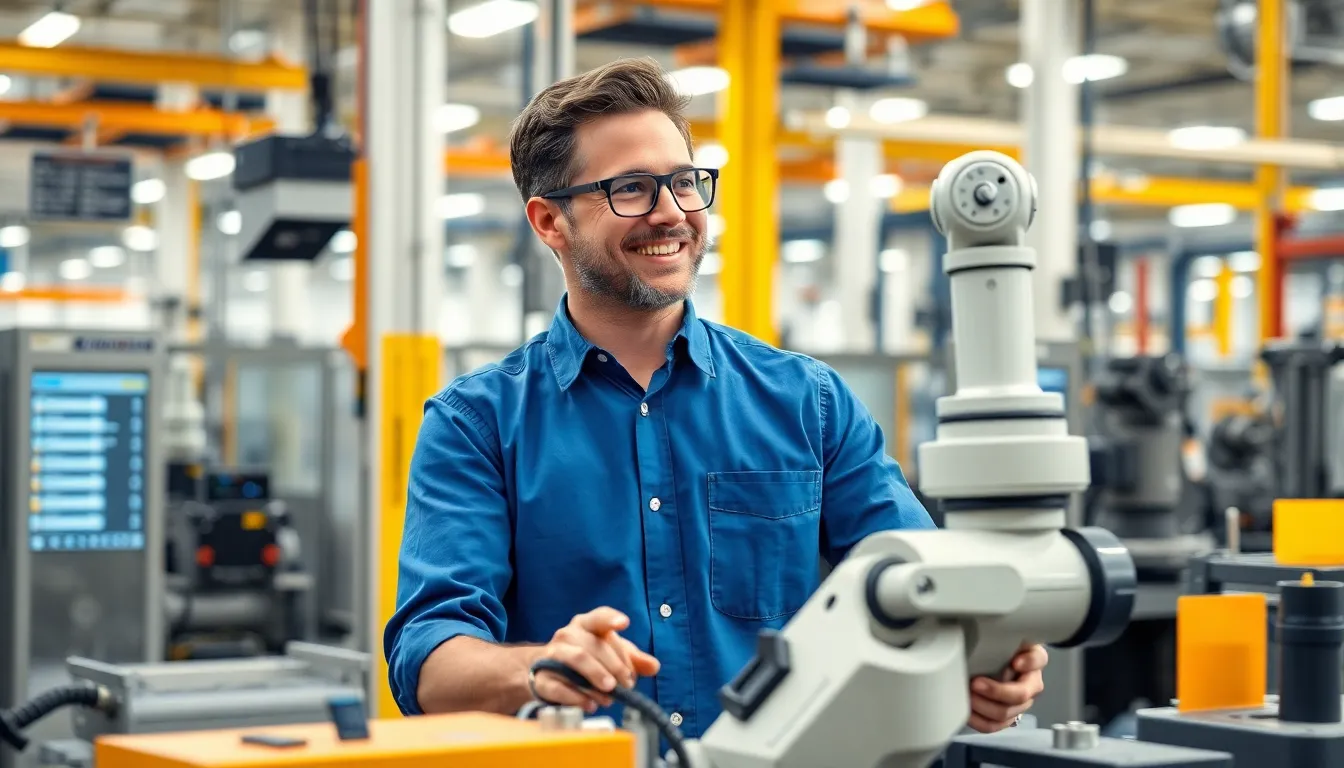
Robotics is no longer just a sci-fi dream; it’s a reality that’s reshaping industries and our daily lives. From robots that can whip up a gourmet meal to those that assist in complex surgeries, innovations in robotics are pushing boundaries and sparking excitement. Imagine a world where your vacuum cleaner has a personality and your car drives itself—it’s not just a fantasy anymore!
Overview of Robotics Innovations
Robotics innovations encompass a broad range of technological advancements that enhance operational efficiency and creativity. These innovations include robotic arms used in manufacturing, which increase precision and speed in production lines. Surgical robots revolutionize healthcare by enabling minimally invasive procedures, thus improving recovery times for patients.
Autonomous vehicles symbolize a significant leap forward, utilizing advanced sensors and AI to navigate complex environments. Social robots, designed for engagement and interaction, are increasingly present in educational settings, enhancing learning experiences for students.
Consumer robotics continues to evolve, with devices like robotic vacuum cleaners featuring smart mapping capabilities. This technology allows these cleaners to efficiently navigate and clean spaces autonomously. Agricultural robots improve yield through precision farming, using data analytics to assess crop health and resource allocation.
Service robots assist in hospitality, offering personalized experiences in hotels and restaurants. They streamline tasks such as check-in and order taking, freeing staff to focus on guest satisfaction. Collaborative robots, or cobots, enhance the workplace by safely working alongside humans in various tasks.
Advancements in programming and machine learning continuously drive robotics forward. Algorithms enabling robots to learn from interactions and adapt to their surroundings enhance their functionalities significantly. The growing integration of IoT technology creates smarter robotic systems that can communicate and share data seamlessly.
Overall, the rapid pace of robotics innovations influences numerous sectors and enhances everyday life, reflecting their potential to transform future possibilities.
Key Areas of Robotics Innovations
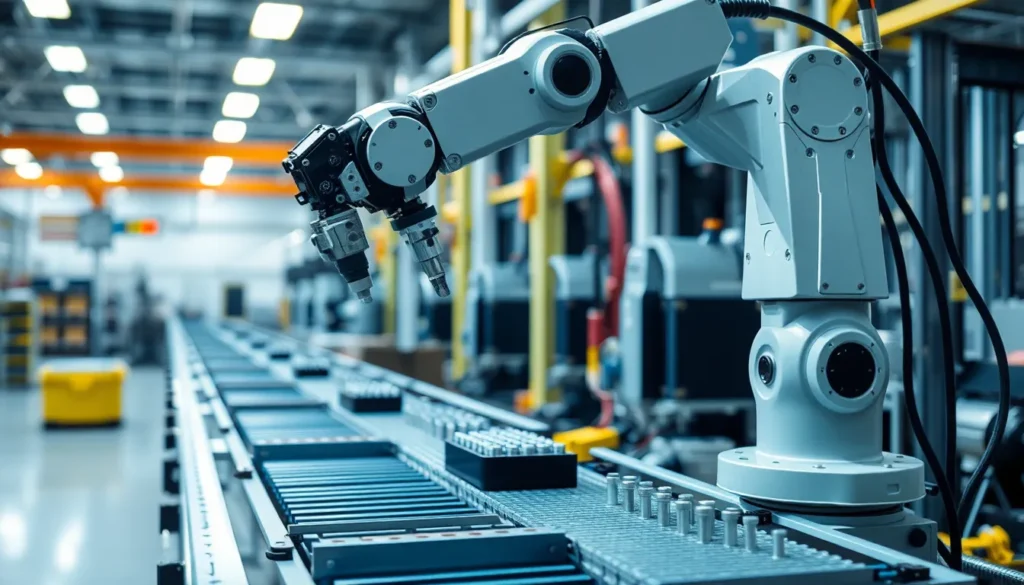
Robotics innovations span multiple sectors, each showcasing unique applications and benefits. Key areas include industrial robotics, medical robotics, and service robotics, where advancements enhance productivity and quality of life.
Industrial Robotics
Industrial robotics plays a crucial role in manufacturing, streamlining operations and increasing output. Robotic arms operate with precision to assemble components, handling tasks that require consistent accuracy. Automation reduces human error, leading to higher quality products. Enhanced safety features allow robots to work alongside employees, minimizing risks. With advancements in artificial intelligence, these robots adapt to new tasks, making them versatile assets in production lines.
Medical Robotics
Medical robotics revolutionizes healthcare by enabling minimally invasive procedures. Surgical robots assist surgeons with enhanced precision, leading to quicker recovery times for patients. Automation in hospitals improves efficiency in tasks like medication dispensing and patient monitoring. Robots also facilitate remote surgeries, allowing specialists to operate from different locations. Alongside diagnostics, robotic technology aids in rehabilitation, helping patients regain mobility through customized therapy sessions.
Service Robotics
Service robotics improves various customer-facing industries by enhancing the overall experience. Robots manage tasks in hospitality, from check-in processes to room service delivery. In retail, they assist customers with product information and checkouts, improving service efficiency. Innovations in social robots foster engagement and companionship, addressing needs in elder care and education. Moreover, these robots continuously learn from interactions, refining their service capabilities, which leads to increased satisfaction.
Emerging Technologies in Robotics
Innovations in robotics consistently push boundaries, especially in artificial intelligence and navigation capabilities.
Artificial Intelligence Integration
Robots now leverage advanced artificial intelligence technologies for enhanced decision-making. AI algorithms allow robots to analyze vast amounts of data, improving learning capabilities and adaptability. These integrations enable robots to optimize workflows in various settings, from factories to healthcare facilities. Increased automation through AI ensures tasks are performed consistently and efficiently. Companies utilize AI-powered robots for predictive maintenance, reducing downtime and minimizing operational costs. Remarkably, robots with AI can understand and respond to human emotions, making them more effective in social settings.
Autonomous Navigation
Autonomous navigation profoundly influences the capabilities of robotics. Robots equipped with advanced sensors can map and understand their surroundings in real-time. This enables them to navigate complex environments independently, avoiding obstacles effectively. Innovations in machine learning and computer vision contribute to this navigation proficiency, allowing robots to improve their performance over time. These technologies see implementation in delivery drones and self-driving vehicles, streamlining logistics and transportation. Additionally, indoor robots utilize autonomous navigation to efficiently clean spaces and manage tasks without human intervention.
Challenges in Robotics Innovations
Technological limitations create significant obstacles for robotics innovations. Robotics systems often require advanced sensors and processing capabilities, which can be costly and complex to develop. Difficulty arises from integrating various technologies into a single cohesive system.
Another issue involves safety and reliability. Ensuring robots operate safely in human environments remains a challenge. Standards for functionality and risk management must evolve concurrently with technology development. Regulations can also lag behind advancements, complicating implementation in sensitive sectors such as healthcare and transportation.
Costs associated with robotics development impose barriers. High initial investments deter many organizations from adopting new robotic solutions. Operational expenses related to maintenance and updates can further strain budgets.
Moreover, ethical considerations present a complex challenge. As robots increasingly interact with humans, concerns about privacy and job displacement grow. Addressing public apprehension requires transparent dialogue about ethical implications of robotics use.
Limited workforce skills exacerbate these challenges. The rapid pace of innovation leaves many professionals struggling to keep up. Training programs must evolve to equip workers with necessary skills to manage and operate advanced robotic systems.
Data security also plays a crucial role in robotics innovations. Robots often rely on cloud storage and data sharing, exposing them to cybersecurity risks. Safeguarding sensitive information while enabling seamless communication between machines is essential.
Lastly, consumer acceptance remains a key hurdle. Public perceptions of robots influence their integration into daily life. Negative portrayals in media can hinder acceptance, making education about the benefits of robotics important for fostering trust.
Future Trends in Robotics Innovations
Robotics innovations continue to evolve rapidly, driving future trends across various sectors. Enhanced artificial intelligence empowers robots with advanced decision-making capabilities. Decision-making allows robots to analyze data more effectively, optimizing workflows while enhancing efficiency.
Increased cooperation between humans and robots shapes the manufacturing landscape. Collaborative robots, or cobots, work seamlessly alongside workers, improving productivity and safety in industrial settings. Businesses increasingly adopt these systems, leading to operational enhancements.
Integration of 5G technology opens new avenues for real-time data transmission. Fast connectivity enables robots to communicate instantly, enhancing their responsiveness in complex environments. Industries apply this technology to improve logistics and automation processes significantly.
Sustainability remains a core focus among robotics developers. Eco-friendly robots contribute to various sectors, including agriculture and cleaning, minimizing environmental impact while increasing efficiency. Innovations in this area promote sustainable practices, attracting support from both consumers and corporations.
Sophisticated sensors and machine learning further refine autonomous navigation capabilities. These advancements equip robots to navigate intricate environments, such as urban areas for delivery drones or warehouses for inventory management. Organizations leverage these technologies to streamline operations while enhancing user experiences.
Security concerns drive the development of robust data protection measures. As robots interact with sensitive information, ensuring data integrity and user privacy becomes paramount. Enhanced cybersecurity strategies help build trust in robotic systems as they become more integrated into daily life.
Finally, advancements in social robotics transform human-robot interaction. Robots designed with empathetic features improve engagement in education and healthcare, offering personalized responses to individual needs. These trends reflect a growing commitment to making robots an integral part of society.
Robotics innovations are reshaping industries and daily life in ways previously thought impossible. As technology continues to evolve the potential for robots to enhance efficiency and creativity grows exponentially. The integration of AI and advanced navigation systems is paving the way for smarter and more capable machines.
While challenges remain in terms of safety ethics and public acceptance the benefits of robotics are undeniable. From improving healthcare outcomes to revolutionizing manufacturing and enhancing customer experiences robots are becoming essential tools in modern society. The future of robotics is bright and holds the promise of even greater advancements that will further transform the way people live and work.


